Sampling Agency USA: How to Choose the Right Product Sampling Partner
Product sampling remains one of the most effective ways for food, beverage, beauty, wellness and consumer brands to generate trial. However, running a successful product sampling campaign across the USA requires more than distributing as many products as possible.
The right sampling agency must be able to identify the consumers most likely to buy, reach them in relevant environments and measure what happens after the sample is received.
For brands searching for a sampling agency in the USA, the most important question is therefore not simply:
How many samples can you distribute?
It is:
How will your product sampling campaign support our wider marketing and commercial objectives?
A strategic product sampling agency should help you plan the right audience, channel, moment, location and measurement approach. This turns sampling from a one-off distribution exercise into a measurable marketing channel.
What Does a Product Sampling Agency Do?
A product sampling agency plans and delivers campaigns that place products directly into the hands of target consumers.
Depending on the campaign, this may include:
- Live and experiential product sampling
- In-home sampling
- Digital sampling
- Retail sampling
- E-commerce sampling
- Food delivery sampling
- Workplace and office sampling
- Fitness and wellness sampling
- Event and festival sampling
- Subscription box sampling
- Social and creator-led sampling
- Guerrilla sampling
A specialist product sampling agency should manage far more than distribution. Its role can include campaign strategy, audience planning, partner selection, logistics, staffing, creative development, data capture, measurement and post-campaign reporting.
The strongest agencies connect all of these elements through a single campaign strategy.
Why Product Sampling Works
Advertising can tell consumers why they should consider a product. Sampling allows them to experience it for themselves.
That is particularly valuable when a product has a clear taste, texture, fragrance, format or functional benefit that is difficult to communicate through advertising alone.
A well-planned product sampling campaign can help brands:
- Launch a new product
- Generate initial trial
- Support a retail listing
- Reach a new audience
- Introduce a new flavor or format
- Communicate a product benefit
- Build awareness in a specific market
- Collect first-party consumer data
- Generate ratings, reviews or social content
- Encourage purchase and repeat purchase
The effectiveness of sampling comes from reducing the risk associated with trying something new. Consumers can experience the product before deciding whether it deserves a place in their normal purchasing routine.
Why Brands Need a Specialist Sampling Agency in the USA
The USA offers huge opportunities for product sampling, but it is also an exceptionally large and varied market.
Consumer behavior, retail environments, climates, demographics and cultural preferences can differ substantially between states and cities. A campaign that works in New York may require a different audience, activation format or product-handling process in Miami, Austin, Chicago or Los Angeles.
Brands must also consider:
- The geographic scale of the campaign
- Product storage and fulfillment
- Chilled, frozen or temperature-sensitive requirements
- Local staffing and permitting
- State-by-state operational differences
- Retailer and venue relationships
- Consumer data and privacy requirements
- The cost of national versus regional activation
- The consistency of campaign reporting
A capable sampling agency in the USA should help brands navigate these complexities without losing sight of the campaign objective.
It should be able to recommend when to activate nationally, when to focus on selected priority markets and when to test and learn before scaling.
National Product Sampling vs. Regional Campaigns
Not every campaign needs to launch nationwide from day one.
National product sampling can deliver considerable reach and is valuable when a brand already has widespread distribution. However, it can also spread the campaign budget too thinly if the product is only available in selected retailers or markets.
A regional campaign may be more effective when a brand wants to:
- Support distribution in specific states
- Test a new market
- Focus on priority retailers
- Learn which audiences respond best
- Compare performance across different cities
- Build evidence before a larger rollout
The decision should be based on retail availability, campaign objectives, audience concentration, budget and measurement requirements.
A strategic sampling agency will help determine where product trial is most likely to translate into purchase.
Live and Experiential Sampling
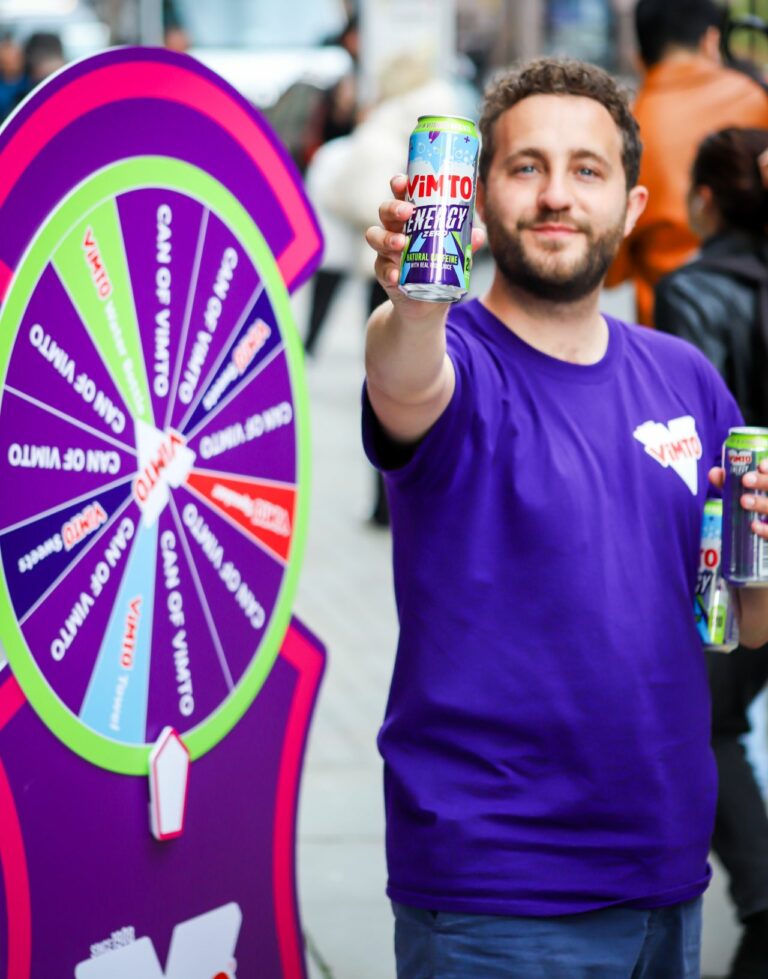
Live product sampling allows brands to create direct, human interactions with consumers.
Campaigns can take place in locations such as:
- High-footfall city centers
- Shopping malls
- Retail environments
- Universities and colleges
- Festivals and events
- Commuter locations
- Gyms and fitness venues
- Sports events
- Offices and workplaces
Live sampling works particularly well when the product benefits from explanation, demonstration or immediate consumption.
However, location should never be selected solely because it has high footfall. The agency must consider whether the people passing through the location match the brand’s desired audience.
Ten thousand poorly targeted interactions may be less valuable than 2,000 samples delivered to people with a strong likelihood of buying the product.
In-Home Sampling
In-home sampling delivers products into consumers’ homes, allowing them to try the product in a natural usage environment.
This can be especially effective for products designed for:
- Breakfast
- Cooking
- Family meals
- Snacking
- Personal care routines
- Laundry and household cleaning
- At-home wellness
- Relaxation and entertainment
In-home sampling gives consumers more time to engage with a product than a brief street interaction. It may also allow several members of a household to experience the sample.
Campaigns can be targeted using factors such as location, household type, interests, lifestyle or previous purchasing behavior.
Follow-up communications can then capture feedback, purchase intent and consumer insight.
Digital Sampling
Digital sampling uses online targeting and registration to connect consumers with physical products, digital coupons or cashback offers.
Consumers may discover the campaign through:
- Paid social advertising
- Influencer content
- Brand websites
- Email marketing
- Retail media
- QR codes
- Partner platforms
They can then register to receive a product, unlock an offer or claim cashback after purchasing it.
Digital sampling creates opportunities to track the consumer journey from initial engagement through to product trial and purchase.
Depending on the campaign, brands may be able to measure:
- Ad impressions
- Landing-page visits
- Registration rates
- Product requests
- Coupon activations
- Verified purchases
- Consumer feedback
- Repeat engagement
This makes digital sampling particularly valuable for brands seeking measurable product trial and first-party consumer insight.
E-Commerce and Delivery Sampling
Products can also be placed inside existing consumer orders.
This allows brands to reach people during a relevant purchase or consumption moment without asking them to attend an event or actively request a sample.
Potential channels include:
- Grocery delivery orders
- Restaurant delivery orders
- Beauty and wellness purchases
- Meal-kit deliveries
- Direct-to-consumer orders
- Subscription services
- Online retail orders
The surrounding order can provide useful context. For example, a beverage sampled alongside a meal may be more relevant than the same product handed out randomly on the street.
This form of sampling can also be targeted according to order type, location, customer profile or purchase behavior, depending on the partner and available data.
Workplace, Fitness and Lifestyle Sampling
Sampling does not have to take place in a traditional retail or event environment.
Products can be introduced through places and communities that form part of the target consumer’s everyday life.
These may include:
- Offices and coworking spaces
- Gyms and fitness studios
- Sports clubs
- Hotels and vacation accommodation
- Salons and barbershops
- Family and parenting communities
- Universities
- Travel environments
These channels can create highly relevant moments for trial.
A protein drink sampled after exercise, a snack delivered during the working day or a personal care product provided during a hotel stay may feel more useful and memorable than an untargeted sample.
The role of the sampling agency is to find the moment in which the product makes the most sense.
What Is Integrated Sampling?
Integrated sampling combines multiple sampling channels within one connected strategy.
Instead of relying on a single activation, a brand may use a combination of:
- Live sampling to create visibility
- In-home sampling to encourage deeper trial
- Digital sampling to target specific audiences
- E-commerce sampling to reach consumers during relevant purchases
- Social sampling to generate content and conversation
- Coupons or cashback to encourage subsequent purchase
An integrated sampling agency should determine how each channel contributes to the wider objective.
This approach allows brands to reach consumers at different points in the customer journey while using a consistent strategy and measurement framework.
It also provides an opportunity to compare performance between channels and direct more investment toward the audiences, locations and formats producing the strongest results.
How Should Product Sampling Be Measured?
A product sampling campaign should not be judged only by the number of samples distributed.
Distribution is important, but it is an output rather than the final outcome.
A strong measurement framework may include:
Campaign delivery
- Number of samples distributed
- Locations and markets activated
- Dates and times
- Stock utilization
- Cost per sample
- Delivery against the agreed plan
Audience
- Consumer demographics
- Household characteristics
- Interests and lifestyles
- Geographic location
- Category purchasing behavior
- Alignment with the intended target audience
Engagement
- QR code scans
- Website visits
- Registrations
- Coupon activations
- Competition entries
- Social interactions
- Email sign-ups
Consumer response
- Trial rate
- Product satisfaction
- Brand perception
- Purchase intent
- Likelihood to recommend
- Consumer comments and feedback
Commercial impact
- Coupon redemption
- Verified purchase
- Cost per acquisition
- Sales uplift
- Repeat purchase
- Incremental revenue
- Return on investment
The exact measurement approach should be agreed before the campaign begins. This ensures the sampling agency designs the activation around the information the brand needs to collect.
What to Look for in a Sampling Agency
When choosing a sampling agency in the USA, brands should assess more than creative ideas and distribution volumes.
Strategic planning
The agency should begin with the brand objective, rather than immediately recommending a channel.
It should understand whether the campaign is designed to drive awareness, trial, retail sales, consumer data, reviews, repeat purchase or a combination of these outcomes.
Audience targeting
Ask how the agency will ensure samples reach people who are relevant to the product.
The answer may involve venue selection, location data, partner audiences, digital targeting, retailer alignment or behavioral insight.
Range of sampling channels
An agency with access to multiple channels can recommend the best solution rather than forcing every campaign into the same activation model.
National and local capabilities
For larger programs, the agency should be able to deliver consistently across multiple markets while adapting to local conditions.
Logistics and fulfillment
Product handling can determine whether a campaign succeeds or fails.
The agency should have a clear approach to inventory management, warehousing, shipping, cold-chain requirements, proof of delivery and surplus stock.
Measurement and reporting
Ask what data will be available during and after the campaign.
A credible agency should explain how campaign delivery, audience quality, engagement and outcomes will be measured.
Transparency
Brands should understand what they are paying for, how partners are selected and how results are calculated.
Clear reporting is essential when evaluating the effectiveness of different channels.
Questions to Ask a Sampling Agency
Before appointing an agency, ask:
- How would you identify the right audience for our product?
- Which sampling channels would you recommend, and why?
- Should the campaign be national or focused on priority markets?
- How will the activation support our retail distribution?
- What will happen to the product operationally?
- How will you verify that samples were distributed correctly?
- What consumer data can be captured?
- How will you measure product trial and purchase?
- Can results be compared across different channels or locations?
- What reporting will we receive during and after the campaign?
- How would you optimize the campaign if one channel underperforms?
- How will the learning improve future sampling activity?
The quality of the answers will help distinguish a strategic product sampling partner from a basic distribution provider.
Common Product Sampling Mistakes
Prioritizing volume over relevance
A large distribution number may look impressive, but it is meaningless if the product reaches people who are unlikely to buy it.
Selecting channels before defining the objective
The campaign objective should determine the channel, not the other way around.
Sampling where the product cannot be purchased
Trial is less valuable when consumers cannot easily find the product afterward. Campaign geography should be aligned with retail or e-commerce availability.
Treating every market in the same way
The USA is not a single, uniform consumer market. Regional differences should influence planning and execution.
Measuring only distribution
Brands should understand what happened after the product reached the consumer.
Leaving measurement until the end
Data capture and reporting must be built into the campaign from the planning stage.
Running disconnected activations
Multiple channels can create greater impact, but only when they are connected through a single integrated sampling strategy.
Product Sampling for UK and International Brands Entering the USA
For international brands, sampling can be an effective way to test US consumer demand before committing to a large national launch.
A targeted campaign can help answer questions such as:
- Which US consumers are most interested in the product?
- Which product benefit creates the strongest response?
- How does feedback differ between markets?
- Which flavors or formats perform best?
- Does trial translate into purchase intent?
- Which retail or e-commerce channels should be prioritized?
- Is the current brand positioning clear to US consumers?
This creates practical evidence that can support retail conversations, marketing planning and future investment decisions.
Brands entering the USA should look for a sampling agency that understands both local market delivery and the wider strategic requirements of an international launch.
Flavor: An Integrated Sampling Agency in the USA
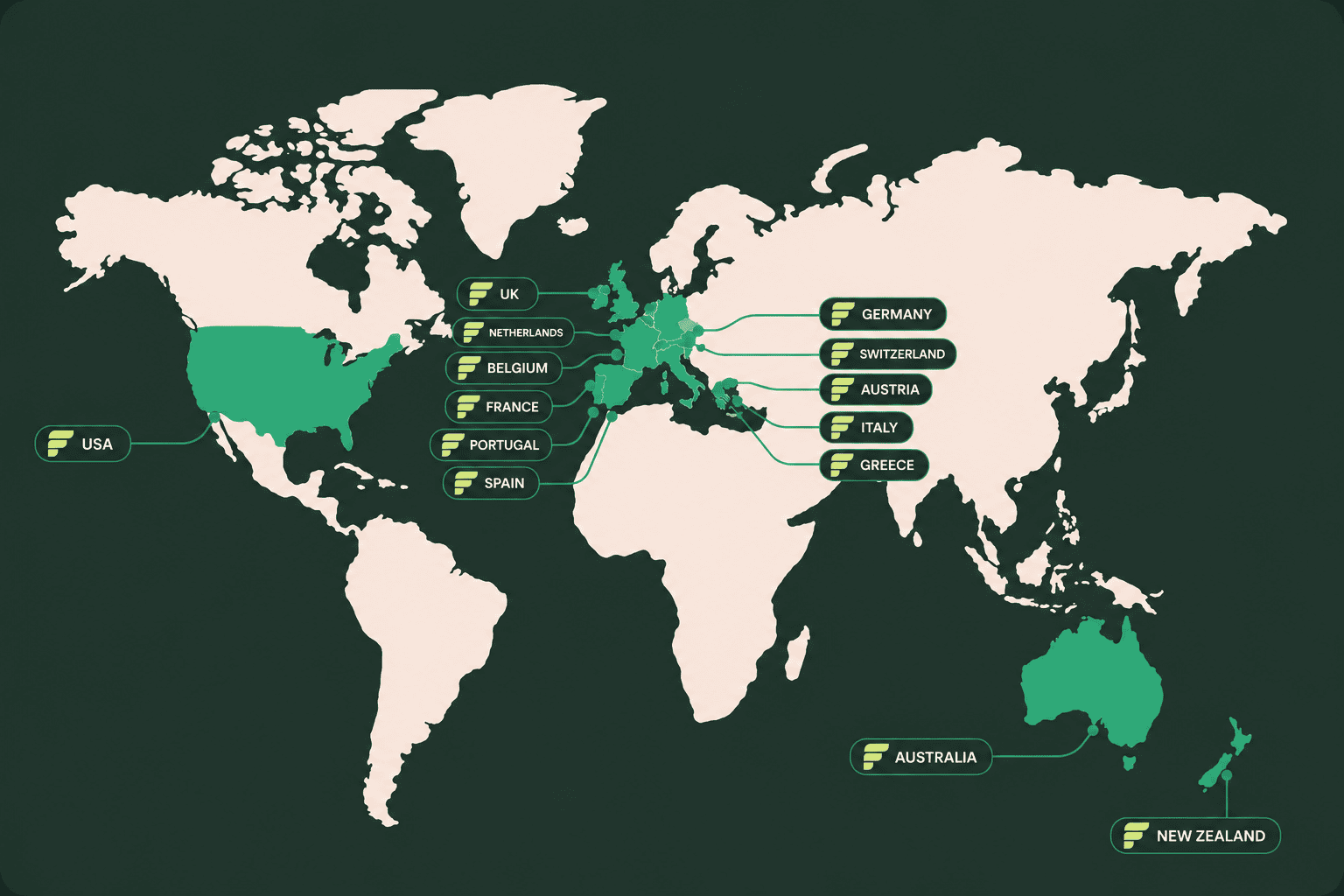
Flavor is a specialist product sampling agency helping brands plan, deliver and measure strategic sampling campaigns across the USA, UK and international markets.
Our approach is built around Sampling with Purpose.
That means starting with the business and marketing objective, identifying the right consumer and then selecting the most relevant combination of channels, locations and moments.
Our capabilities include:
- Live and experiential product sampling
- In-home sampling
- Digital sampling
- E-commerce and delivery sampling
- Workplace and lifestyle sampling
- Social sampling
- Retail activation
- Integrated, multichannel sampling
- Campaign measurement and reporting
We support brands through strategy, planning, creative development, partner management, staffing, logistics, activation and post-campaign insight.
Rather than reporting only how many samples were distributed, we help brands understand who was reached, how they engaged and what the campaign achieved.
Choosing the Right Sampling Agency in the USA
The right sampling agency should do more than move products from a warehouse into consumers’ hands.
It should help your brand answer four essential questions:
- Who should try the product?
- Where and when should they experience it?
- What should they do next?
- How will success be measured?
When those questions guide the campaign, product sampling becomes more targeted, more accountable and more valuable.
Whether you are launching a new product, supporting retail distribution, entering the US market or building a national sampling program, the strongest results will come from combining relevant consumer moments with clear commercial objectives.
That is the difference between simply giving products away and delivering strategic product sampling.
Frequently Asked Questions
What is a sampling agency?
A sampling agency plans and delivers campaigns that allow target consumers to experience a product. Services may include strategy, audience targeting, logistics, staffing, distribution, digital engagement, data collection and campaign measurement.
What does a product sampling agency in the USA cost?
The cost depends on the number of samples, campaign locations, staffing, logistics, product-handling requirements, creative production, partner fees and measurement approach. A regional test will usually require a smaller investment than a multichannel national campaign.
Can product sampling be targeted?
Yes. Sampling can be targeted using location, demographics, interests, household profile, purchasing context, retailer, lifestyle, behavior and other criteria, depending on the channel.
Can a sampling agency run a nationwide campaign?
Yes. Nationwide campaigns can combine local activations, in-home delivery, digital sampling, e-commerce partners and other scalable channels. The right approach depends on the product’s availability, audience and campaign objective.
What is integrated product sampling?
Integrated product sampling combines two or more sampling channels within one connected campaign. This may include live, digital, in-home, e-commerce, social or retail sampling, managed through a shared strategy and measurement framework.
How do you measure a product sampling campaign?
Sampling can be measured through distribution data, audience profiles, digital engagement, surveys, coupon redemption, verified purchase, sales uplift, repeat purchase and return on investment.
Is product sampling suitable for brands entering the US market?
Yes. Sampling allows an international brand to test consumer interest, gather product feedback, identify priority audiences and generate evidence before expanding distribution or marketing investment.
What types of products can be sampled?
Sampling is commonly used for food, beverages, beauty, personal care, household, health, wellness and consumer products. The campaign format must reflect the product’s storage, preparation, safety and usage requirements.